If you live in the Inland Empire, the Coachella Valley, or the High Desert, you almost certainly have hard water. The mineral content in much of Southern California's supply is high enough to leave its mark on everything it touches — faucets, dishwashers, laundry, and especially water heaters. Here's how to read the signs and what to do about them.
Reading the Signs
What hard water looks like in your home
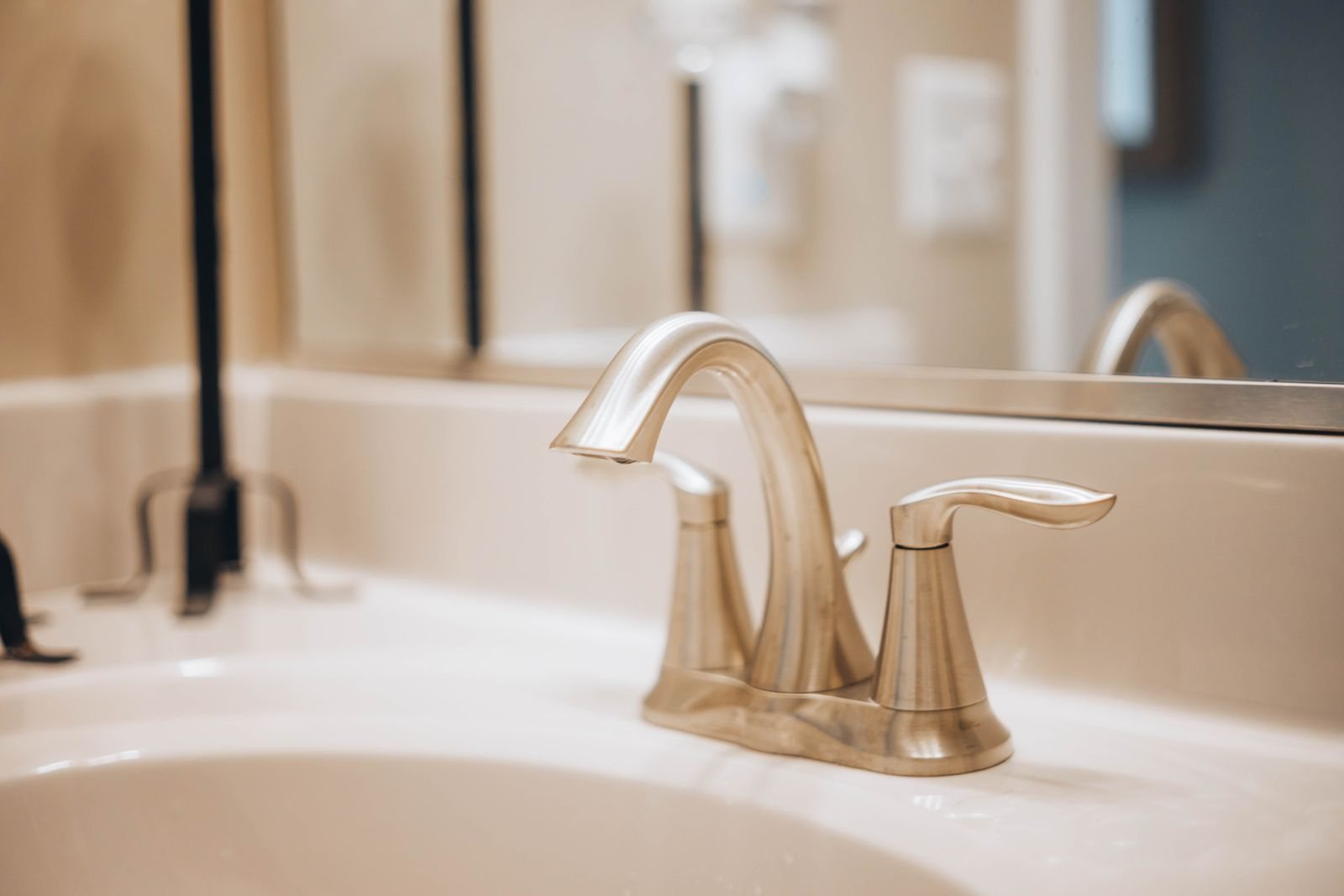
Hard water announces itself. White, chalky crust builds up around faucet bases and showerheads. Glasses come out of the dishwasher spotted. Soap barely lathers and shampoo feels impossible to rinse. Laundry comes out stiff and dull. And the expensive one: water heaters, dishwashers, and washing machines die years before they should, because every heating cycle bakes another layer of mineral scale onto the elements.
The Plumbing Damage
What it does to pipes and heaters
Inside a tank water heater, hardness minerals settle as sediment. The burner then has to heat through that insulating layer, which overheats the tank bottom, wastes gas or electricity, and accelerates tank failure — the rumbling or popping noise many homeowners hear is literally water boiling under a blanket of scale. In tankless units the scale forms on the heat exchanger instead, choking efficiency until the unit throws error codes. Fixtures suffer too: aerators clog, cartridges wear out, and valves start dripping years early.
The Fix
Softeners, filtration, or both
A whole-home water softener removes the calcium and magnesium that cause scale — protecting your water heater, dishwasher, fixtures, and pipes from new buildup. A filtration system targets a different problem: taste, chlorine odor, and particulates in the water you drink. In much of our service area, the winning combination is softening for the plumbing plus point-of-use or whole-home filtration for drinking water. We test your water, show you the results, and recommend only what your home actually needs.
FAQ