An undersized water heater means cold showers and scheduling baths like appointments. An oversized one wastes money every month for a decade. Sizing isn't complicated once you know the inputs — here's exactly how we size systems for real households.
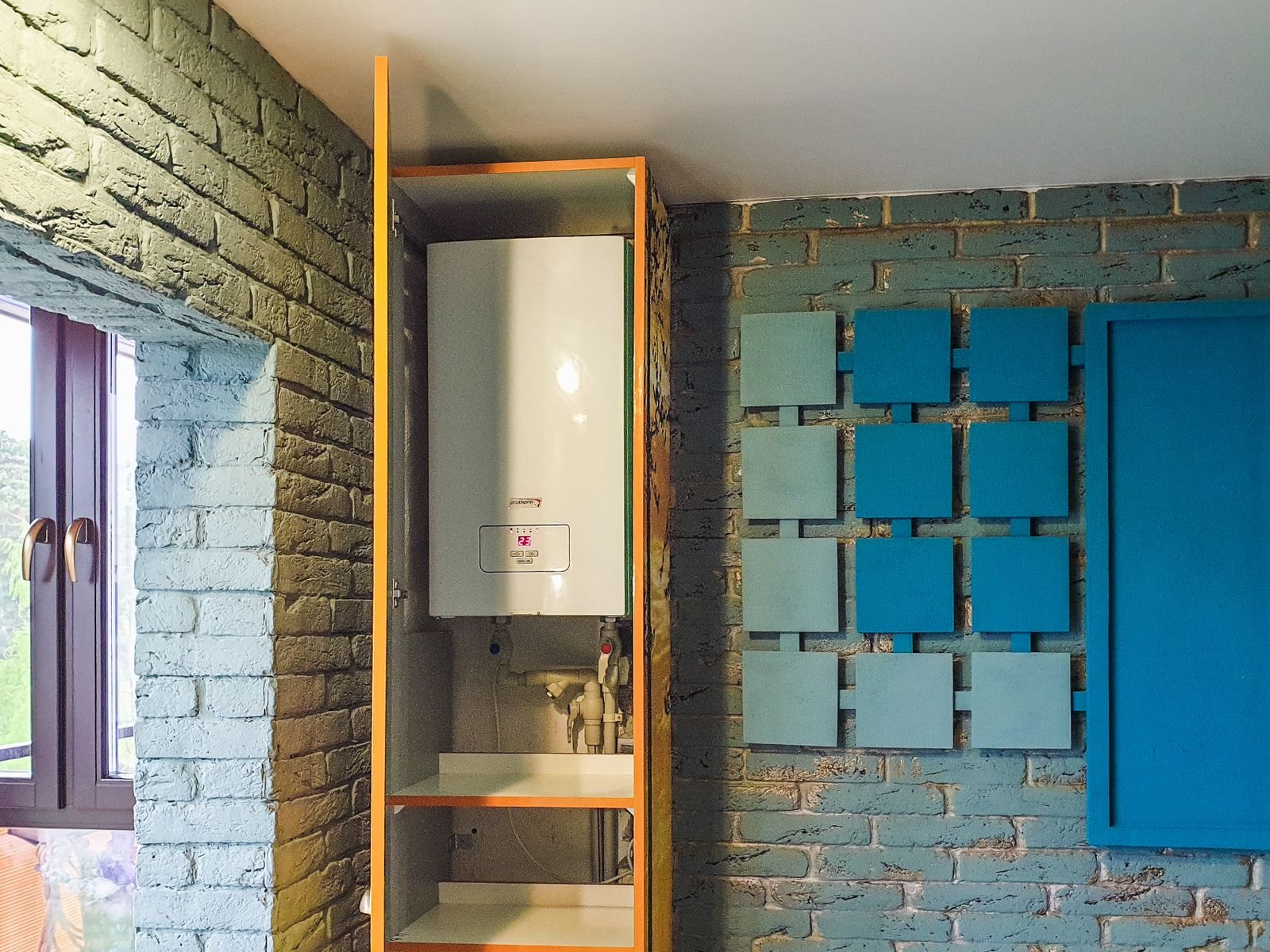
Tank Water Heaters
Size by household, not by habit
Tank sizing starts with the number of people and bathrooms, then adjusts for usage patterns. As a starting framework: one to two people are typically comfortable with a 40-gallon tank, three to four people with a 50-gallon, and five or more with 65–75 gallons or a second unit. These are starting points, not rules — a household of three with a deep soaking tub and two teenagers showering back-to-back can outstrip a 50-gallon tank on a cold morning.
The other tank factor is recovery rate: how fast the unit reheats after you drain it. A high-recovery 50-gallon can outperform a sluggish 65-gallon in real life. When we quote a replacement, we check your current unit's recovery performance against your actual complaints — running out once a month and running out daily are different problems.
Tankless Water Heaters
Size by flow rate and temperature rise
Tankless sizing works differently: you add up the flow rates of the fixtures you'd run simultaneously — a shower is roughly 2 gallons per minute, a dishwasher about 1.5 — and pick a unit that delivers that total at your needed temperature rise. Southern California has an advantage here: incoming groundwater is relatively warm most of the year, so units achieve their rated output more easily than in colder climates.
The classic mistake is sizing a tankless for one shower and discovering the dishwasher steals it mid-rinse. We size for your realistic worst case — two showers plus the washing machine on a Saturday morning — so the system never feels small.
The Replacement Moment
When like-for-like isn't the answer
Most replacements are like-for-like swaps, and that's fine when the old size worked. But a failed water heater is also the cheapest moment you'll ever get to fix a sizing problem: the labor is happening anyway. If you've added a bathroom, finished an ADU, or simply grown tired of rationing hot water, tell us during the estimate — we'll price both the direct swap and the right-sized option so you can compare in writing.
FAQ