Here's the plumbing industry's least-known fact: most homes get more water pressure than their plumbing was designed for. Municipal systems deliver 80–150 psi to the curb; your fixtures, water heater, and supply lines are built for 40–60. The difference shows up as banging pipes, toilets that run on their own, water heaters that fail at year 8, and pinhole leaks nobody can explain.
The Signs
How to tell your pressure is too high
- Banging or hammering pipes: Loud thumps when a faucet closes or the washer fills are water hammer — pressure waves slamming through the pipes. Some hammer is normal in old houses; violent hammer is a pressure problem.
- Toilets that run on their own: High pressure defeats fill valves — they can't seat properly against it, so the toilet refills randomly. If you've replaced the flapper and it still runs, suspect pressure.
- The water heater's relief valve drips: The T&P valve opens when pressure inside the tank gets too high. Occasional dripping during heating cycles is normal; constant dripping often means the whole house is running hot on pressure.
- Fixtures die young: Faucet cartridges, dishwasher solenoids, washing machine hoses, and ice-maker lines all fail earlier under high pressure. If you're replacing cartridges yearly, the pressure is the prime suspect.
- Pinhole leaks in copper: Corrosion sets the stage, but high pressure does the final push — especially in homes with older copper. Multiple pinholes in a few years is a pressure story as much as a pipe story.
- Water heater dies early: Constant high pressure stresses the tank, the expansion tank, and every connection. Heaters in high-pressure homes routinely fail years before their expected lifespan.
The Fix
What a pressure regulator does
A pressure-reducing valve (PRV) goes on the main line where water enters the house and steps street pressure down to your set point — usually 50–60 psi. It's a simple, proven device, and installation typically takes a couple of hours. If you already have one (most homes built after the 1980s do), it may just need adjustment or replacement — PRVs wear out after 10–15 years, and a failed one passes full street pressure straight through.
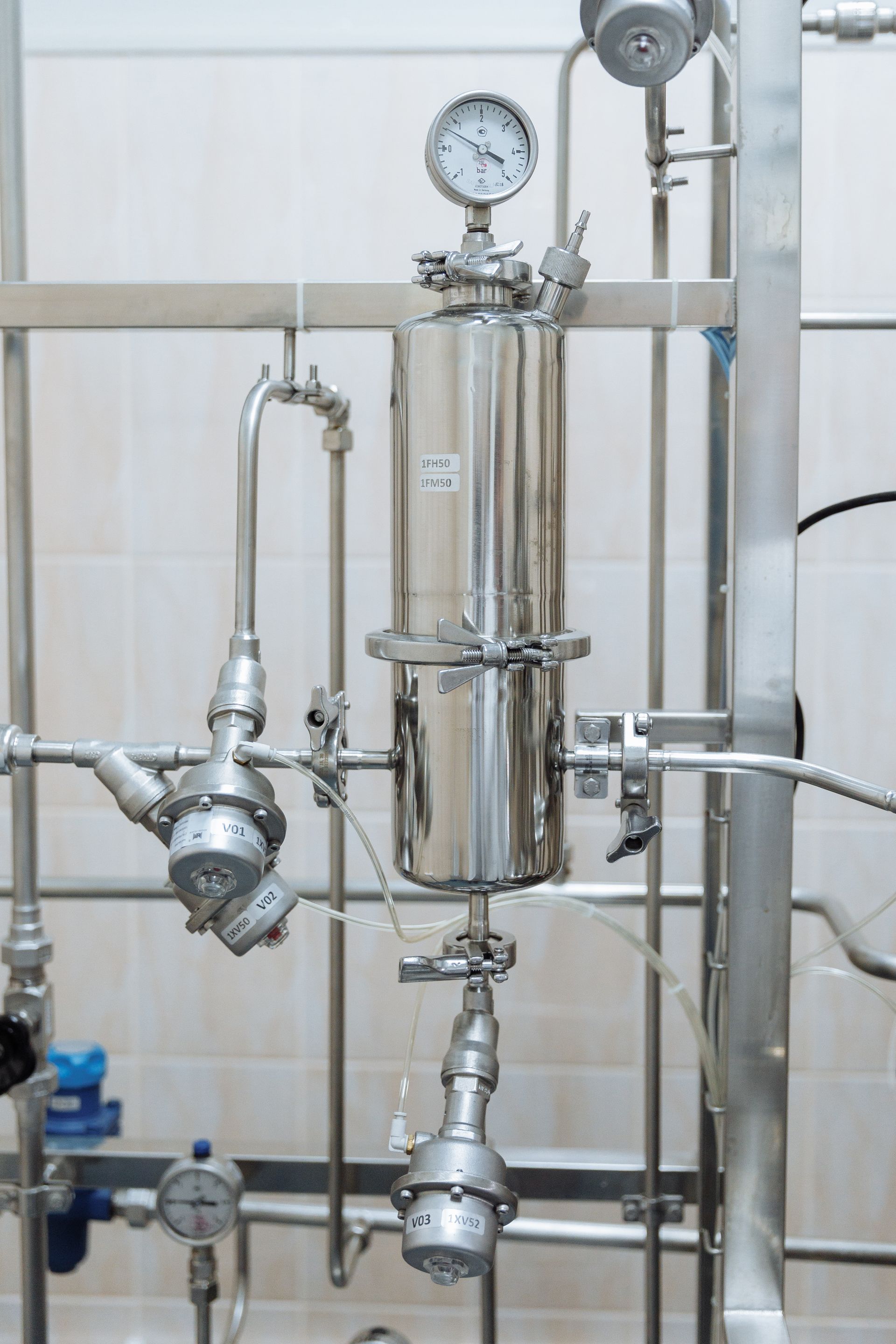
The test is easy: screw a pressure gauge onto an outdoor hose spigot and read it, ideally in the evening when municipal pressure peaks. If it reads over 80 psi, you need a regulator — plumbing code requires one. If it reads 60–80, you're borderline, and a regulator is still cheap insurance for everything downstream.
FAQ